

An industrial project can have the best planning in the world and still fall behind for one simple reason: qualified people weren\'t available at the right moment. Certified welder, rope access technician, welding inspector, rigger - every front of an offshore, naval, or port project depends on professionals with specific training, and hiring that labor directly, one by one, is rarely fast enough to keep up with the schedule.
That is what specialized labor supply is for: a partner that already has a trained, certified, and available team ready to mobilize. After more than a decade supplying teams for critical operations, we put together this guide on how to evaluate this kind of partnership - and what separates a reliable supplier from one that just resells résumés.
WHAT SPECIALIZED LABOR SUPPLY MEANS
Unlike a generic recruitment agency, specialized labor supply for the offshore, naval, and port sector means providing professionals with specific technical certifications - AWS welders, IRATA technicians, non-destructive testing inspectors, industrial riggers - ready to mobilize with safety and training documentation already up to date.
The difference isn\'t only technical qualification: a supplier that already operates in this sector understands the environment\'s safety requirements, the boarding and disembarking routine, and how to integrate a temporary team into the client\'s procedures without friction.
6 POINTS TO EVALUATE A LABOR SUPPLY PARTNER
Suppliers that genuinely deliver a team ready to work, without surprises, share the same fundamentals:
Verifiable Certifications
Documentation for every professional, checkable and in-date, not just stated on a résumé.
Fast Mobilization Capacity
A pool of already-qualified professionals, not a recruitment process that only starts after the request comes in.
Training and Refresher Courses
Periodic renewal of certifications and safety training, not only at initial hiring.
Occupational Safety Management
Procedures, PPE, and safety onboarding aligned with the requirements of the site where the team will work.
Labor Compliance
Employment ties, taxes, and labor obligations in order - a supplier\'s labor liabilities can spill over onto the client.
In-House Technical Supervision
A technical lead from the supplier following the team on site, not just a commercial middleman.
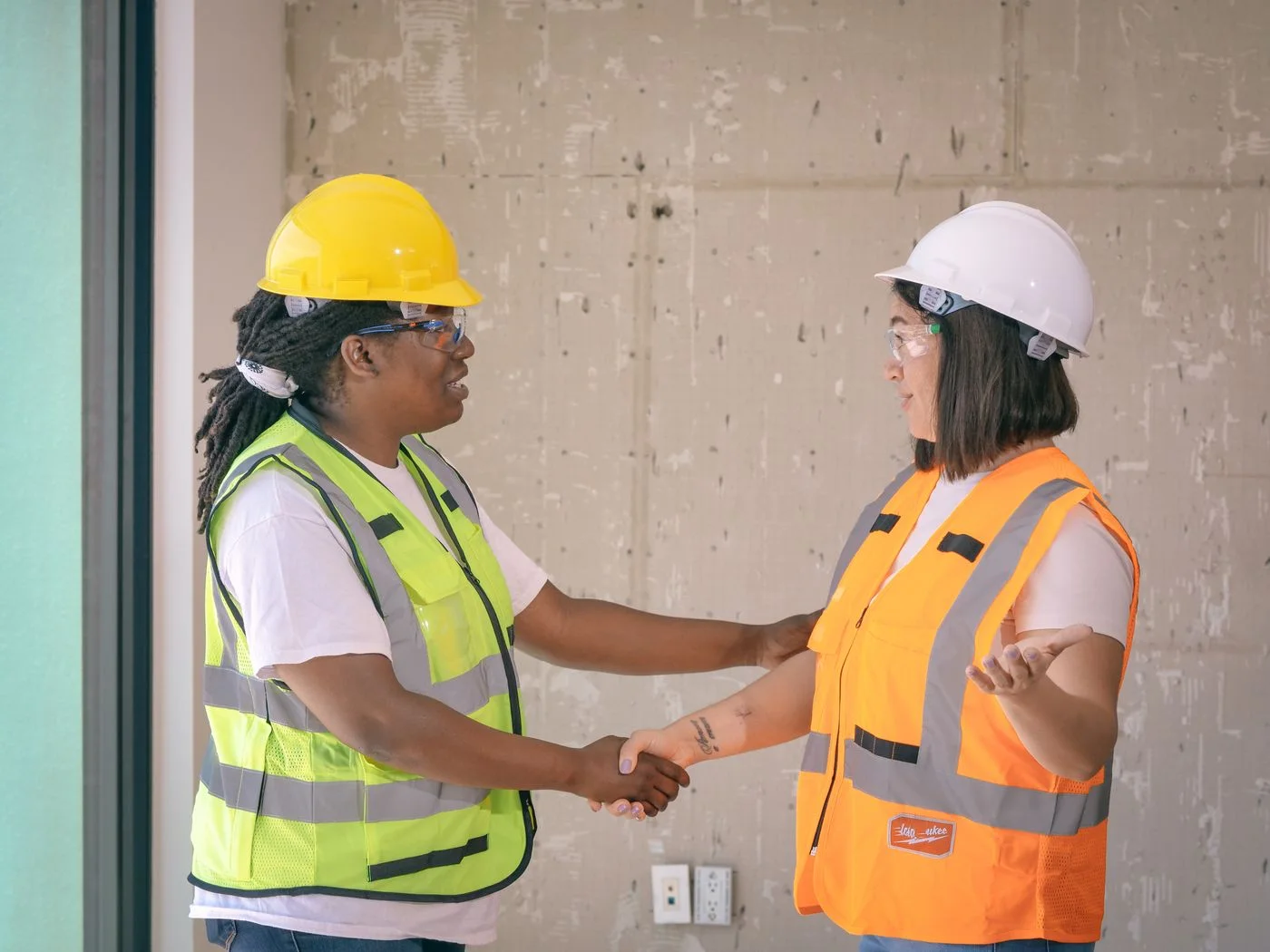
TEMPORARY LABOR VS. AN IN-HOUSE TEAM
Not every project needs labor supplied by a third party. It makes more sense when demand is one-off or seasonal (a shutdown, a specific mobilization), when the required certification is rare or expensive to maintain in-house year-round, or when the direct-hiring timeline doesn\'t fit the project schedule. Continuous operations with stable demand tend to justify an in-house team more.
COMMON MISTAKES WHEN HIRING SPECIALIZED LABOR
- Not verifying certification at the source - accepting a copy of a certificate without confirming it with the issuing body or the professional\'s track record
- Ignoring the supplier\'s labor compliance history - a supplier with recurring labor liabilities is a risk for the client too
- Treating it as a simple labor swap - without integration and technical supervision, a temporary team doesn\'t perform the same as an integrated one
- Not aligning the applicable safety regulations before mobilization - finding out on site that safety documentation isn\'t complete delays the start of work
- Negotiating only on hourly rate - the real cost includes turnover, rework, and supervision time, not just the rate charged
SPECIALIZED LABOR INSIDE A TURN-KEY PROJECT
In turn-key (EPC) projects, supplying qualified labor is one of the pillars that holds the schedule together - without a certified team available at the right time, even a well-planned project falls behind. We detail how this integrated contracting model works in the guide below.
CONCLUSION
Specialized labor supply isn\'t just filling a position quickly - it is making sure whoever shows up on site is already certified, trained, and ready to integrate into the operation without compromising safety or schedule. A supplier that shows documentation without hesitation, keeps its own technical supervision, and meets its labor obligations is the difference between reinforcing the team and creating a new problem.
Frequently Asked Questions
Sector-specific expertise - certifications like AWS, IRATA, and specific safety regulations, documentation already up to date, and an understanding of the routine and safety requirements of offshore, naval, and port operations, instead of a generic recruitment process.
By confirming directly with the issuing body (IRATA, for example, keeps a searchable register) or requesting full documentation, not just a statement from the supplier. Expired certificates or ones outside the required scope are warning signs.
When demand is one-off or seasonal, the required certification is expensive or rare to maintain in-house year-round, or the direct-hiring timeline doesn't match the project schedule. Continuous operations with stable demand tend to justify an in-house team more.
A supplier with recurring labor liabilities (unpaid charges, irregular employment ties) can create subsidiary liability for the client. That is why a supplier's labor compliance should be checked before hiring, not just the price of the service.
With a reliable supplier, yes - a technical lead from the supplier itself follows the team on site, making sure the work follows the right procedure, instead of leaving supervision entirely to the client.